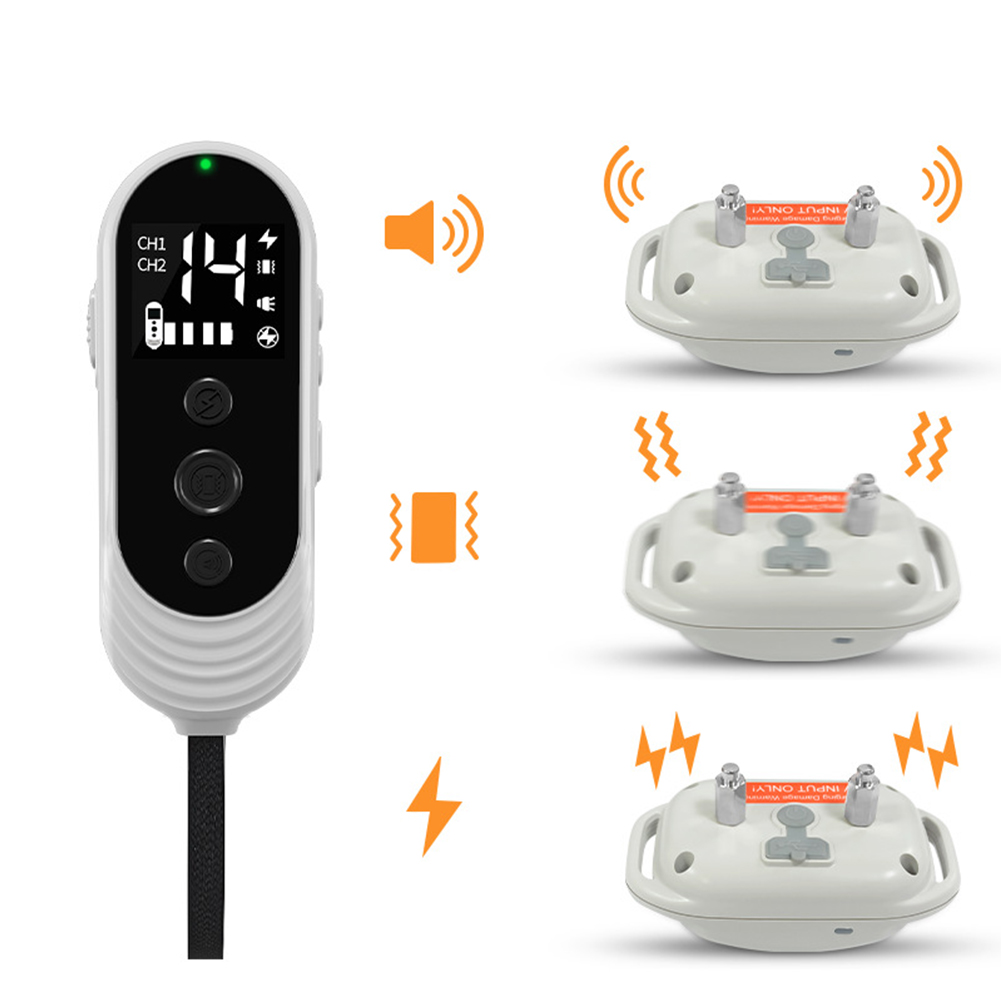
The global smart pet collar market is undergoing a profound transformation, driven by the deepening bond between pets and their owners and rapid technological advancements. Once simple GPS trackers, these devices are now sophisticated wearable platforms integrating real-time location, comprehensive health monitoring, and AI-driven behavioral analysis. This shift reflects a broader trend in pet care from reactive to proactive, data-driven management, mirroring the evolution of human wearable technology.
Market Size and Growth Trajectory
The market is experiencing significant and sustained growth. According to various reports, the global smart-connected pet collars market was valued between approximately USD 509.87 million and USD 561.0 million in 2025. Forecasts are highly optimistic, with the market projected to reach between USD 846.5 million by 2029 and USD 990.0 million by 2034, exhibiting a Compound Annual Growth Rate (CAGR) ranging from 6.32% to 11%. North America is estimated to be the largest regional market, contributing about 33% to global growth, fueled by high pet ownership rates, disposable income, and strong demand for advanced pet care solutions. Emerging markets in Asia-Pacific are also witnessing rapid growth due to urbanization and a rising middle class.
Key Technological Drivers and Features
The market’s expansion is powered by several converging technological shifts that redefine product capabilities:
- Advanced Sensing and Health Monitoring: Modern collars are equipped with medical-grade sensors that go far beyond basic step counting. They now continuously monitor vital signs such as heart rate, respiratory rate, temperature, and sleep patterns. This data enables early detection of potential health issues like stress, anxiety, or underlying medical conditions, transforming the collar into a preventive health tool. For instance, AI models can analyze deviations from a pet’s baseline to warn of conditions like heatstroke or joint inflammation.
- AI-Powered Behavior and Emotion Analysis: A major leap forward is the application of Artificial Intelligence and Machine Learning to interpret pet behavior. Advanced collars can analyze barking patterns, scratching habits, activity levels, and even emotional states. Companies like PetPace and Satellai leverage AI to turn raw sensor data into actionable insights, providing owners with intuitive updates about their pet’s well-being and flagging subtle behavioral shifts that may indicate discomfort or illness. This capability moves the device from a “safety monitor” to an “intelligent health管家”.
- Hybrid Connectivity for Reliable Tracking: To address the limitations of GPS-only tracking in urban or remote areas, next-generation collars employ hybrid connectivity. This combines GPS with cellular networks (LTE Cat-M/NB-IoT), Wi-Fi, and Bluetooth, ensuring reliable location tracking and communication across diverse environments. Products like the Furthrive GPS collar use multiple satellite systems for steady accuracy, while modules like Fibocom’s MQ771-GL support global network bands and automatic switching for seamless connectivity anywhere.
- Enhanced Battery Life and Miniaturization: Historically, short battery life has been a major user pain point. Recent innovations in low-power chip design and connectivity protocols are dramatically extending usage. For example, the MQ771-GL module utilizes deep sleep modes and eDRX technology to reduce power consumption by 70-90%, potentially extending battery life from days to several months. This, coupled with ultra-compact form factors, allows for more comfortable, lightweight designs without sacrificing functionality.
Leading Companies and Competitive Landscape
The market features a mix of established consumer electronics firms, specialized pet tech startups, and component providers. Key players include:
- PetPace: Recognized as an industry leader in advanced AI/ML health monitoring, having earned awards like the PCMag Excellence Award for its clinically validated, data-driven insights.
- Satellai: A fast-growing startup that has successfully integrated AI health analytics with GPS tracking. Its products, like the Collar Go, and partnerships with entities like Fetch Pet Insurance highlight the trend towards ecosystem building.
- Fibocom: A key technology enabler, providing communication modules (e.g., MQ771-GL) that offer the connectivity, low power, and processing foundation for next-generation smart collars.
- Other notable players mentioned across reports include Garmin Ltd., Tractive, FitBark Inc., and Whistle.
Future Trends and Strategic Implications
The industry’s trajectory points toward several key trends:
- Ecosystem and Service Models: The value proposition is shifting from a one-time hardware sale to an ongoing service relationship. This includes subscription models for data and connectivity, telehealth integrations with veterinarians, and partnerships with pet insurance companies (as seen with Fetch and Satellai), creating comprehensive care ecosystems.
- The “Digital Twin” and Proactive Care: The long-term vision is to create a “digital twin” for each pet—a dynamic model informed by breed, age, and historical data that can predict health risks and provide personalized care recommendations.
- Rising Importance of Data Security and Privacy: As collars collect sensitive biometric and location data, robust data security, encryption, and transparent privacy policies are becoming critical for consumer trust and regulatory compliance.
Conclusion
The smart pet collar market is evolving at the intersection of deep emotional bonds and cutting-edge technology. It is maturing from a niche safety gadget into a core platform for proactive pet wellness, driven by AI analytics, reliable connectivity, and long-lasting power. The competition is no longer just about tracking accuracy but about which platform can most effectively interpret data, integrate into broader care ecosystems, and provide genuine peace of mind to pet owners, ultimately fostering healthier and longer lives for companion animals
